
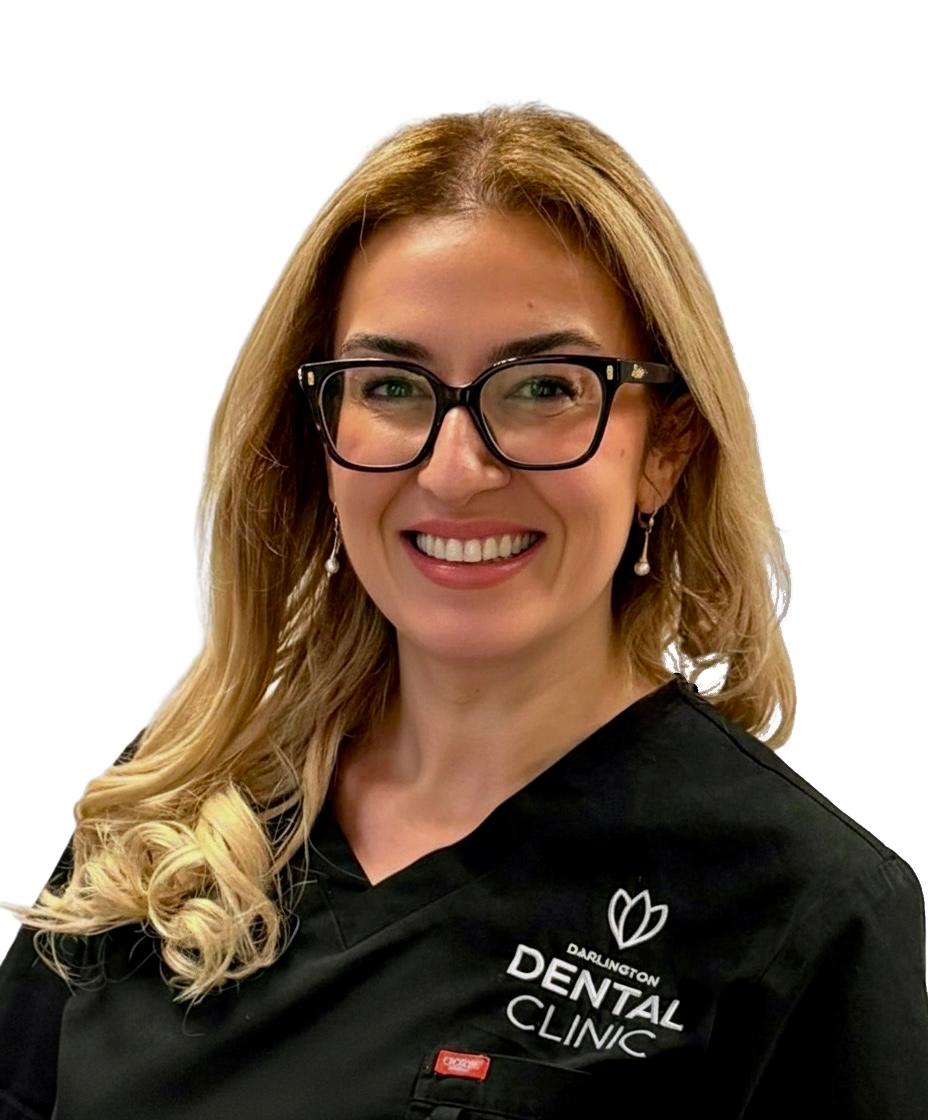
Andreea Shavit
Lecture title: “Implants as part of complex multidisciplinary treatment planning: diagnosis and treatment planning”
Aim: To demonstrate how implants can be predictably integrated into comprehensive multidisciplinary treatment planning, from diagnosis and treatment planning through to surgical and restorative execution, using real cases to illustrate decision-making, challenges and their management.
Objectives:
By the end of this session the delegates will be able to:
1. Recognise the role of implant dentistry within comprehensive multidisciplinary treatment planning, including when implants are and are not appropriate
2. Apply a structured, prosthetically driven approach to diagnosis and treatment planning, considering biological, functional, aesthetic and restorative factors
3. Understand how digital smile design and digital planning can be used to establish the desired aesthetic and restorative outcome and guide treatment sequencing
4. Understand the importance of treatment sequencing and interdisciplinary communication when managing complex cases
5. Identify potential challenges and pitfalls at the planning, surgical and restorative stages of the implant treatment
6. Explore strategies for managing unexpected clinical challenges, adapting treatment plans and achieving predictable outcomes
7. Analyse real-life clinical cases from diagnosis to final restoration, using the decision making process, successes and challenges encountered
Summary of lecture:
Implant dentistry rarely exists in isolation. Successful outcomes often depend on how well implant treatment is integrated within a wider multidisciplinary treatment plan. This lecture will explore the journey from initial diagnosis and digital smile design through to prosthetically driven implant planning, surgical execution and definitive restoration. Using a series of real clinical cases, we will follow the step-by-step decision-making process behind complex treatments, demonstrating how digital planning can help translate the desired aesthetic and functional outcome into a predictable clinical plan.The cases will highlight not only successful outcomes, but also the challenges, unexpected findings and potential pitfalls encountered along the way. Particular emphasis will be placed on treatment sequencing, communication between disciplines, adapting treatment plans when circumstances change, and practical strategies for overcoming clinical challenges.
The aim is to provide a realistic and clinically relevant insight into how implants can be incorporated into comprehensive multidisciplinary dentistry, with lessons that delegates can apply to their own treatment planning and clinical practice.